
How Geotechnical Site Investigations Support Safe Construction Projects in Australia
Learn how geotechnical site investigations in Australia support safe construction. Explore soil testing, subsurface risks, and expert-led decision-making for developers and engineers.
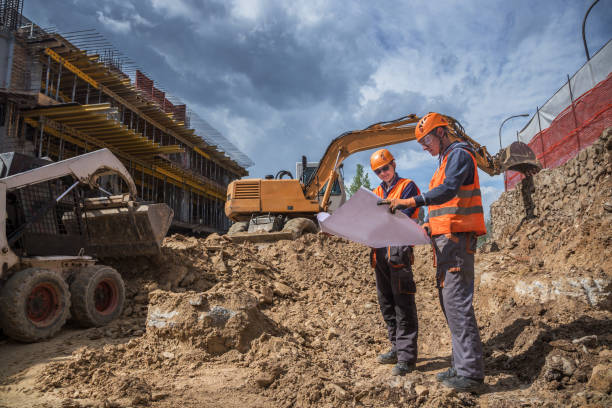
Understanding Geotechnical Site Investigations in Australia
A geotechnical site investigation is the process of examining soil, rock, and groundwater conditions before construction begins. It provides engineers and developers with critical insights about the land. Understanding subsurface conditions early helps ensure safe and stable construction projects.
What is a geotechnical site investigation Australia?
A geotechnical site investigation involves field surveys, drilling, and soil sampling to assess ground conditions. It determines the suitability of the site for different types of structures. These investigations are especially important in Australia due to diverse soil types and varying geological conditions.
Importance of geotechnical investigation and testing in construction
Geotechnical testing provides information on soil strength, stability, and load-bearing capacity. This ensures that foundations and structures are designed to withstand local ground conditions. Early testing reduces the likelihood of structural failures and unexpected costs.
Difference between preliminary and detailed site investigation
Preliminary investigations provide a basic overview of soil and subsurface conditions, helping determine project feasibility.
Detailed investigations go further with advanced testing and analysis, providing exact data for foundation and design planning.
Both stages are important, but detailed investigations are crucial for high-risk or large-scale projects.
Key elements of construction site investigation
A thorough construction site investigation includes:
Soil sampling and analysis
Borehole drilling and subsurface profiling
Groundwater assessment and monitoring
Each component provides essential data to guide foundation design and overall construction planning.
Why Australian subsurface conditions require expert analysis
Australia’s soil conditions include reactive clays, sandy soils, and areas prone to settlement. These factors can affect foundation stability if not properly evaluated. Expert analysis ensures potential risks are identified and managed effectively.
When developers and engineers should initiate investigations
Geotechnical investigations should start during the early planning or pre-design stage. This allows designers to integrate findings into foundation and structural plans. Initiating investigations late can result in delays, cost overruns, and compromised safety.
What Happens During a Geotechnical Investigation and Testing Process
A geotechnical investigation combines fieldwork, sampling, laboratory testing, and data interpretation to provide actionable insights. Each step ensures that construction decisions are informed by accurate information about the site.
Soil testing for construction: methods and standards
Standard penetration and compaction tests
Shear strength and consolidation analysis
Compliance with Australian testing standards
Soil testing helps determine the load-bearing capacity, stability, and suitability of the site for proposed structures.
Borehole drilling, sampling, and in-situ testing
Boreholes are drilled to collect soil and rock samples from multiple depths. In-situ tests measure ground behavior directly on-site. These methods provide a detailed understanding of subsurface conditions.
Identifying subsurface conditions and groundwater factors
Understanding soil layers, rock formations, and groundwater levels is essential. High groundwater levels or weak soil layers can compromise foundation stability. Early identification allows engineers to design appropriate mitigation strategies.
Laboratory testing and data interpretation
Soil and rock samples are analyzed in laboratories for properties like density, moisture content, and load capacity. Experts interpret these results to provide recommendations for foundation design and risk management.
Tools and technologies used in geotechnical services
Modern investigations use advanced tools such as GPS mapping, digital modeling, and automated testing equipment. These technologies enhance accuracy, efficiency, and visualization of subsurface conditions.
Role of geotechnical engineering investigation in risk assessment
Geotechnical investigations identify potential risks including settlement, slope instability, and reactive soil behavior. By addressing these risks early, projects can avoid costly delays, structural failures, and compliance issues.
How Investigations Guide Foundation Design and Construction Decisions
Geotechnical data directly informs foundation type selection, structural design, and construction methodology. It ensures projects are safe, durable, and cost-effective.
Evaluating foundation suitability based on soil conditions
The type and strength of soil determine whether shallow or deep foundations are appropriate. Investigations provide accurate data for selecting foundations that will remain stable under load.
Managing risks like settlement, reactive soils, and slope instability
Identifying problematic soils or uneven terrain allows engineers to implement strategies such as soil improvement or reinforced foundations. Proper management of these risks prevents structural damage.
Load-bearing capacity and its impact on structural design
Understanding the soil’s load-bearing capacity ensures that foundations are neither under- nor over-designed. This improves structural integrity and reduces unnecessary material costs.
Preventing costly construction delays and failures
Early investigation helps anticipate challenges such as unexpected soil behavior or groundwater intrusion. Addressing these issues in the design phase reduces construction delays and avoids additional costs.
Consultant-led insights for safer decision-making
Consultants like Geoslope interpret complex geotechnical data and provide practical recommendations. Their guidance ensures safe, informed construction decisions tailored to the project site.
Long-term performance and durability considerations
Geotechnical insights support foundations and structures that remain stable over time. They minimize maintenance needs and prevent early deterioration caused by soil movement or groundwater issues.
Risks Identified and Mitigated Through Detailed Site Investigation
Detailed investigations uncover potential risks before construction begins, ensuring safety, compliance, and cost-effectiveness.
Unstable ground and hidden subsurface hazards
Weak soil layers, voids, and uneven subsurface conditions can compromise structural stability. Early identification allows engineers to design mitigation measures.
Groundwater, drainage, and contamination issues
High water tables, poor drainage, or contaminated soils can affect construction. Proper testing ensures safe design solutions and regulatory compliance.
Cost overruns due to inadequate investigation
Skipping detailed investigation often leads to unexpected construction issues. These can increase material costs, labor, and time, ultimately affecting project budgets.
Compliance and regulatory risks in Australia
Australian construction standards require evidence of geotechnical investigation. Proper reporting ensures projects meet legal, environmental, and safety requirements.
Importance of early-stage geotechnical services
Starting investigations early enables smoother project planning. It allows timely adjustments to design and reduces the likelihood of future risks.
Real-world implications for developers and builders
Projects without proper geotechnical assessment often face foundation failures, safety issues, and expensive remedial work. Detailed investigations help developers and builders achieve successful, long-lasting outcomes.
Conclusion
Geotechnical site investigations play a vital role in ensuring safe, compliant, and cost-effective construction projects across Australia. They provide critical insights into soil behavior, groundwater levels, and subsurface risks, enabling developers, builders, and engineers to make informed decisions. By guiding foundation design, mitigating risks, and supporting regulatory compliance, geotechnical investigations prevent costly delays and structural failures. Consultant-led services, like those provided by Geoslope, transform complex data into practical strategies, ensuring long-term performance and durability. Investing in a thorough geotechnical investigation is essential for building safe, reliable, and sustainable structures. Contact us today to discuss your geotechnical needs and secure your construction project’s success.
FAQs
1. What is a geotechnical site investigation?
It is the process of assessing subsurface conditions through soil testing, drilling, and analysis to support safe construction decisions.
2. Why is geotechnical investigation important in Australia?
Australia has diverse soil conditions, including reactive clays and variable geology. Proper investigation is essential for safety and regulatory compliance.
3. What does soil testing for construction involve?
Soil testing includes field sampling, laboratory analysis, and evaluation of load-bearing capacity, stability, and other key soil properties.
4. When should a construction site investigation be done?
Ideally during the early planning stage before design and construction begin. Early testing ensures informed and cost-effective decision-making.
5. How do geotechnical services reduce project risks?
They identify potential ground issues early, allowing for better design decisions and preventing costly failures or construction delays.