
How Geotechnical Investigations Work in Australia: What Builders Must Know Before Construction
Learn how geotechnical investigations work in Australia, including boreholes, soil testing, groundwater checks, and reporting. A practical guide for builders, homeowners, and contractors preparing for construction in NSW & VIC.
Introduction
Every construction project in Australia should start with a proper geotechnical investigation. This step helps builders and homeowners understand the soil and ground conditions beneath the site. Skipping soil and site testing can lead to costly surprises such as cracks, foundation failure, water seepage or uneven settlement. On the other hand, a thorough investigation paves the way for safer structures, better design decisions, and cost-effective building from the start.
In this guide, we explain what a geotechnical investigation includes, how it reveals subsurface and groundwater conditions, what to look for in a geotechnical report, and how the findings influence construction decisions and costs.
What a Geotechnical Investigation Includes (Simple Breakdown)
A geotechnical investigation involves multiple steps, each designed to reveal a different aspect of the site’s ground behaviour. By combining visual inspections, drilling or digging, lab testing and expert interpretation, the investigation gives a clear picture of what lies beneath the surface. Below are the main components.
Site Walkover & Initial Ground Assessment
Before any drilling or digging begins, a qualified geotechnical engineer will visit the site for a walkover and initial assessment. During this stage, the engineer performs a visual inspection focusing on:
Existing drainage patterns, vegetation, slope, and signs of erosion
Evidence of past instability such as landslides, soil movement or surface cracks
Surface water pooling or wet areas, indications of poor drainage or groundwater
This early identification of hazards or site conditions can influence recommendations on foundation design, excavation approach, and drainage planning. If slope instability or poor drainage is spotted early, the final design can include mitigating measures before major work begins.
Boreholes, Test Pits & Subsurface Logging
Once the initial walkover is complete, more intrusive investigation begins using boreholes or test pits, depending on site conditions and the depth needed.
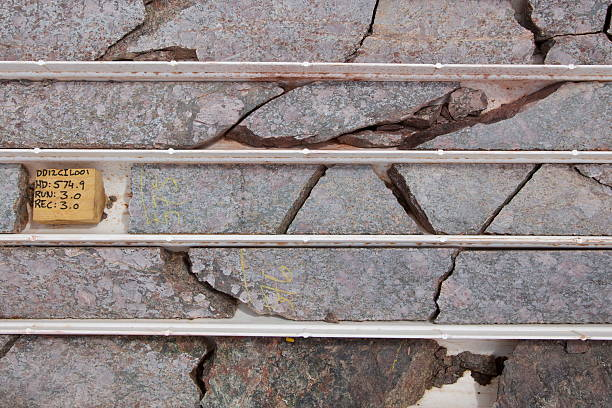
Boreholes are drilled vertically to sample soil layers at depth. They are useful when you need to understand deep-subsurface conditions, such as for footings, piles, basements, or slope stability analysis.
Test pits are excavated when shallower soil layers are of interest. They allow a wider view of subsurface layers and are often used for residential buildings or areas needing only shallow foundation data.
During drilling or excavation, soil samples are collected at intervals. The engineer logs the different layers rock, fill, clay, sand and notes colours, texture, moisture, density, and presence of groundwater. Identification of layers like soil fill or sand, stiff clay, bedrock or groundwater helps to predict how the ground will behave under load.
Laboratory Testing for Soil Strength & Reactivity
After collecting samples, the investigation moves to laboratory testing. Common soil tests carried out in Australia include:
Moisture content measurement
Atterberg limits (liquid and plastic limits) to understand soil reactivity and plasticity
Density and unit weight
Shear strength tests to determine how soil will resist loads and stress
Reactivity tests to check how soils expand or shrink with moisture changes (especially important for reactive clays)
The results from these tests give engineers data to decide on footing depth, foundation type (slab, shallow footing, piled foundation), reinforcement, and necessary soil treatment.
Understanding Subsurface Conditions & Groundwater Behaviour
Once soil layering and lab results are available, geotechnical engineers interpret them to guide design decisions. Two major themes emerge: soil strength/foundation suitability, and groundwater behaviour.
Identifying Soil Strength and Foundation Suitability
Different soil types behave differently under load and in varying environmental conditions. For example:
Soft soils may compress under load, causing settlement.
Reactive clays may expand and contract with moisture changes, leading to movement.
Sandy soils may have good drainage but may require different footing techniques compared to clay.
With strength and reactivity data from lab tests, engineers determine whether a standard slab-on-ground is suitable, or if deeper footings/reinforced slabs are needed. They design foundation size, reinforcement, and soil compaction based on these findings. This reduces the risk of uneven settlement or structural damage over time.
Groundwater Assessments & Their Impact on Build Cost
Groundwater presence and behaviour significantly influence excavation, drainage, and foundation design. Groundwater assessments show water table depth, seasonal variation, and saturation levels.
If high groundwater is detected:
Basements may need waterproofing and drainage systems.
Retaining walls may require drainage or waterproofing to avoid hydrostatic pressure.
Excavation may be more complex and costly due to water management (pumps, dewatering).
Footings may need deeper or specialised design to prevent water-related issues.
Ignoring groundwater risks can lead to structural problems, water ingress, or costly remedial work.
What Builders and Homeowners Should Look for in a Geotechnical Report
After investigation and testing, engineers deliver a geotechnical report. This report is key for builders and homeowners to plan and budget properly. Key sections to pay close attention to include:
Site classification (for example A, S, M, H1, H2, E, P in the Australian context) to understand general ground behaviour.
Recommended footing systems or foundation types based on soil and groundwater data.
Expected movement and settlement—how much soil may compress or expand under load or moisture changes.
Drainage advice—how to manage surface and subsurface water to avoid long-term issues.
Excavation notes—any special constraints or need for dewatering, shoring or reinforcement.
Construction constraints or recommendations—for example, limitations on basement depth, piling requirements, slope stabilization, or soil improvement.
How to Use the Report for Planning
Once you receive the report:
Ask your structural engineer or builder to clarify any technical terms or recommendations.
Share the report with your structural designer so that foundation and structural designs reflect actual soil conditions.
Use the findings to adjust construction cost estimates or designs: for instance, deeper footings or drainage systems may add cost but prevent bigger issues later.
Include drainage, waterproofing or soil treatment in the planning stage if recommended.
How Geotechnical Findings Affect Construction Decisions
The data from a geotechnical investigation influences every stage of construction from design to final build and long-term maintenance. Here are some practical impacts.
Practical Impacts
For reactive clays, footings might be deeper and foundations reinforced to handle shrink-swell behaviour.
High groundwater may require additional drainage solutions, sump pumps, drainage layers or waterproofing measures.
Unstable or weak subgrades may demand soil improvement, compaction, or use of reinforced slabs or piling.
Using appropriate foundation systems based on soil strength and reactivity can reduce maintenance costs and avoid structural problems down the line.
Benefits for Builders & Contractors
By starting with a proper geotechnical investigation, builders and contractors can enjoy several advantages:
Fewer construction delays caused by unexpected soil conditions.
Reduced variations and change orders during building phase because design aligns with actual ground conditions.
Lower risk of future structural issues such as cracking, settlement or water damage.
Better compliance with relevant Australian building standards.
More predictable costs and better long-term durability for the building.
Conclusion
A geotechnical investigation is much more than just drilling holes. It is a critical process that lays the groundwork for safe, durable and cost-effective building. Through site walkovers, drilling or test pits, laboratory soil testing, groundwater assessments and expert geotechnical reporting, builders and homeowners gain deep insight into how the ground beneath will behave.
By using that data to design proper footings, drainage, foundation type and construction methods, you avoid unexpected risks and long-term maintenance headaches. In the Australian context with variabilities in soil types, reactivity and groundwater behaviou investing in a high-quality geotechnical investigation is a smart step that ensures your construction project is stable, efficient and compliant from the outset.
If you would like to discuss geotechnical investigation services or need expert advice for your next build, please contact us.
FAQs
Do all construction projects in Australia require a geotechnical investigation?
Most residential and commercial builds require soil testing to comply with Australian standards and ensure proper foundation design.
How long does a geotechnical investigation take?
Typically the on-site work (drilling or test pits) takes 1–3 days. Laboratory testing and report preparation usually take another 5–10 days.
What is the cost of a geotechnical investigation in NSW or VIC?
Costs vary depending on site accessibility, borehole depth, number of tests required, and groundwater conditions. However, for standard residential investigations, costs are generally within a predictable range.
Can poor soil conditions stop a construction project?
Not usually. Engineers can design deeper or alternative foundations, add drainage or soil improvement, so construction can proceed though with revised design and cost.
What is the difference between boreholes and test pits?
Boreholes are narrow vertical holes drilled to sample deep subsurface soils. Test pits are wider excavations for shallow soil inspection and sampling, often used for lighter structures or initial assessment.