
What Goes into a Geotechnical Engineering Report for Construction Projects?
Understand what a geotechnical engineering report includes, how site data is interpreted, and why these reports are critical for safe, buildable construction projects in Australia.
Introduction
A geotechnical engineering report is a mandatory foundation document for most construction projects across Australia. It provides critical insight into ground conditions and helps determine whether a site is suitable for the proposed development. Without this report, projects face higher risks of structural issues, delays, and costly redesigns.
Builders, developers, architects, structural engineers, and local councils all rely on geotechnical engineering reports. Each stakeholder uses the information to make informed decisions about design, approvals, and construction methods. The report becomes a shared reference point throughout the project lifecycle.
It is important to understand that a geotechnical engineering report is not just a collection of raw soil data. It contains engineered interpretations and recommendations that directly guide buildability, safety, and compliance.
Purpose of a Geotechnical Engineering Report
The purpose of a geotechnical engineering report goes far beyond meeting regulatory requirements. Its primary role is to assess how the ground will behave under the proposed structure and construction activities. This helps reduce uncertainty and manage risk from the earliest stages of a project.
The report informs design decisions such as footing systems, slab design, excavation support, and earthworks strategies. It also influences construction sequencing and temporary works planning. These insights allow teams to design structures that work with the ground rather than against it.
A qualified geotechnical engineer plays a critical role in interpreting site conditions. By combining field data, laboratory results, and professional judgement, the engineer translates complex ground behaviour into practical guidance for construction teams.
At Geoslope Pty Ltd, experienced geotechnical engineers apply local knowledge and Australian Standards to deliver clear, buildable recommendations that support safe and compliant construction outcomes.
Key Investigations That Inform the Report
Geotechnical engineering reports are based on structured site investigations tailored to the project scope. The investigation plan considers site size, proposed development type, and local geological conditions. This ensures the collected data is relevant and reliable.
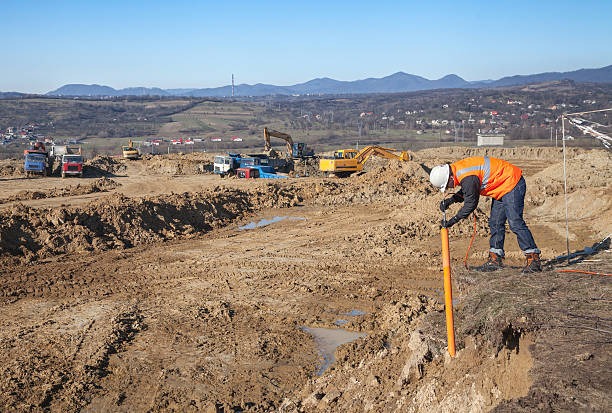
Borehole drilling and test pit excavations are commonly used to observe subsurface conditions. These methods allow engineers to identify soil layers, rock depth, fill materials, and signs of groundwater. Observations made during drilling are recorded in detail for later analysis.
Laboratory testing is then carried out on collected samples. These tests reveal key soil properties such as strength, compressibility, and plasticity. Understanding these characteristics helps predict how soils will respond to loading and environmental changes.
What a Geotechnical Engineering Report Typically Contains
A typical geotechnical engineering report includes a site classification assessment. This classification is especially important for residential construction, as it influences footing and slab design requirements under Australian Standards. It helps designers select appropriate structural systems.
Borehole logs and subsurface profiles are another core component of the report. These records show soil and rock layers encountered across the site. They provide a clear picture of ground variability, which is essential for accurate design and construction planning.
Groundwater conditions are also assessed and documented. The report considers current groundwater levels as well as potential seasonal variations. This information is critical for excavation stability, drainage design, and long-term structural performance.
Geotechnical risks and site constraints are clearly identified within the report. These may include soft soils, reactive clays, shallow rock, or contamination. Highlighting these risks early allows project teams to address them proactively.
How Engineers Convert Data into Engineering Recommendations
Raw geotechnical data alone is not sufficient for construction decision making. Engineers interpret soil strength, reactivity, and settlement potential to understand how the ground will behave under load. This interpretation requires technical expertise and experience.
Findings are then translated into clear engineering recommendations. These may include foundation types, footing depths, allowable bearing pressures, and excavation support measures. Earthworks and site preparation guidelines are also provided to ensure safe construction.
Engineering judgement plays a key role in this process. While laboratory results provide valuable data, they must be assessed within the context of site conditions and project requirements. This balance ensures recommendations are practical and buildable.
Common recommendation areas include
Foundation and footing design guidance
Excavation and temporary support requirements
Earthworks and site preparation controls
Why These Reports Matter for Construction and Approvals
Geotechnical engineering reports help prevent structural movement, construction delays, and unexpected costs. By understanding ground conditions early, designers can avoid unsuitable foundation systems and costly remedial works. This leads to more predictable project outcomes.
These reports also support development applications, construction certificates, and infrastructure approvals. Councils and certifiers rely on geotechnical advice to assess site suitability and manage risk. A well-prepared report can streamline the approval process.
Early geotechnical input significantly reduces construction risk. Identifying challenges before construction begins allows teams to plan effectively and avoid reactive decision making. This proactive approach protects both budgets and timelines.
Conclusion
A geotechnical engineering report is a vital decision-making tool that underpins safe, compliant, and buildable construction projects. It goes far beyond a technical formality by translating complex ground conditions into practical engineering guidance. Engaging experienced geotechnical consultants early in a project helps reduce risk, improve design outcomes, and support smoother approvals. Early investigation and expert interpretation provide long term value across the entire construction process. If you are planning a construction project and need reliable geotechnical advice, contact us today to discuss your site and project requirements.
FAQs
What is a geotechnical engineering report used for?
It provides engineering recommendations based on subsurface conditions to guide foundation design, earthworks, excavation, and construction methods.
Is a geotechnical report required for construction projects in Australia?
Yes, most councils and building approvals require a geotechnical report to assess site suitability and manage construction risks.
What’s the difference between a site classification report and a geotechnical engineering report?
A site classification report focuses on soil reactivity, while a geotechnical engineering report provides broader design and construction guidance.
How does groundwater assessment affect construction design?
Groundwater conditions influence excavation stability, footing performance, drainage design, and long-term structural behaviour.
Who should prepare a geotechnical engineering report?
Reports should be prepared by qualified geotechnical engineering consultants with local experience and knowledge of Australian standards.