
Why Professional Geotechnical Engineering Advice Matters Before Construction
Hiring geotechnical engineering consultants before construction helps reduce risk, ensure compliance, and coordinate with civil and structural engineers. Learn why expert advice matters.
Introduction
Ground conditions are one of the biggest unknowns in any construction project. What lies beneath the surface can directly affect safety, cost, and long-term performance of a building.
When geotechnical advice is overlooked, homeowners and developers often face issues such as foundation movement, cracking, drainage problems, and unexpected construction delays. These problems usually appear after work has already started.
GeoSlope is a trusted, Australia-based geotechnical engineering consultancy that helps reduce these risks. With local expertise and professional insight, GeoSlope supports smarter and safer construction decisions from the very beginning.
What Do Geotechnical Engineering Consultants Do?
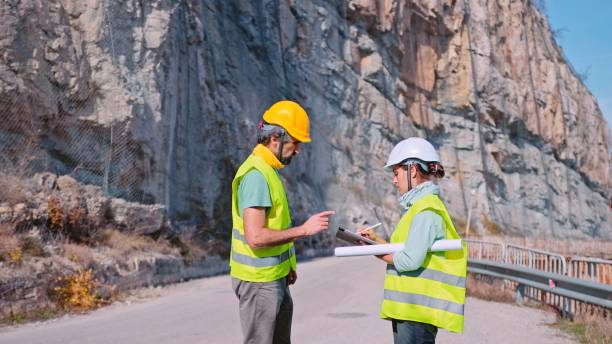
Geotechnical engineering consultants assess ground conditions before construction begins. Their role is to understand how soil, rock, and groundwater will behave under load.
Through soil testing and site investigations, geotechnical engineers provide clear recommendations for foundations, retaining structures, and earthworks. This information helps designers choose safe and suitable construction methods.
Searching for a geotechnical engineer near me is important because local engineers understand regional soil types, weather patterns, and council requirements. This local knowledge improves accuracy and reduces risk.
Why Geotechnical Advice Is Critical Before Construction Starts
Early geotechnical advice helps identify risks related to soil strength, rock profiles, groundwater levels, and slope stability. These factors are not always visible from the surface.
Without proper assessment, buildings may experience settlement, cracking, or even structural failure over time. Geotechnical engineering advice helps prevent these issues before construction begins.
Addressing ground conditions early also saves money. Fixing problems during design is far less costly than making changes during or after construction.
Coordination With Civil and Structural Engineers
Geotechnical data plays a key role in civil and structural engineering design. Foundation sizes, footing depths, and drainage systems rely on accurate ground information.
Integrated engineering consulting near you allows geotechnical, civil, and structural engineers to work together. This collaboration ensures designs are practical and suitable for site conditions.
When engineers coordinate early, design conflicts are reduced. This leads to smoother approvals, fewer construction delays, and better project outcomes.
Risk Mitigation and Regulatory Compliance
Professional geotechnical assessments help manage construction risks by identifying potential ground-related issues early. This reduces safety hazards and protects long-term asset value.
Local councils and building authorities often require geotechnical reports as part of planning and building approvals. These reports demonstrate that site conditions have been properly assessed.
Geotechnical engineers also provide documentation and compliance advice. This supports smoother approval processes and helps projects meet Australian standards and regulations.
Who Needs Professional Geotechnical Engineering Advice?
Homeowners planning new builds or extensions benefit from geotechnical advice. Even small projects can be affected by soil movement or drainage issues.
Developers working on residential or commercial projects rely on geotechnical engineers to reduce risk and support efficient design. This is especially important for larger or multi-stage developments.
Projects on sloped, reactive, or variable ground conditions should always involve geotechnical engineering consultants. These sites carry higher risks that require professional assessment.
Conclusion
Professional geotechnical engineering advice is a critical first step in safe and successful construction. Understanding ground conditions early helps reduce long-term risks and prevents costly surprises.
By investing in geotechnical expertise, projects benefit from improved compliance, better coordination with civil and structural engineers, and greater cost efficiency. These advantages continue throughout the life of the building.
GeoSlope is a reliable partner for expert geotechnical engineering consulting in Australia. Early engagement with GeoSlope helps avoid preventable construction issues and supports confident project planning.
Contact us today to discuss your site and get professional geotechnical advice before construction begins.
FAQs
When should I hire geotechnical engineering consultants?
Ideally, geotechnical consultants should be engaged before design begins to ensure site conditions are properly assessed.
What happens if I skip geotechnical engineering advice?
Skipping geotechnical advice can lead to foundation issues, structural damage, delays, and costly remediation.
Do geotechnical engineers work with civil and structural engineers?
Yes, geotechnical engineers provide essential ground data that informs civil and structural engineering design.
Is geotechnical engineering required for residential projects?
In many cases, yes, especially for new builds, extensions, or sites with complex ground conditions.
How do I find a geotechnical engineer near me?
Look for locally experienced firms like GeoSlope that understand regional soil conditions and regulatory requirements.